Trends in Asset Recovery: Innovations Shaping the Foreclosure Industry


Introduction to Asset Recovery Trends
The foreclosure industry, once seen as a slow-moving sector, is now experiencing a wave of innovation that is reshaping how asset recovery is conducted. From advanced technologies to data-driven strategies, these changes are providing new opportunities for efficiency and effectiveness. This post explores the trends that are making a significant impact on the industry.
Technological Advancements
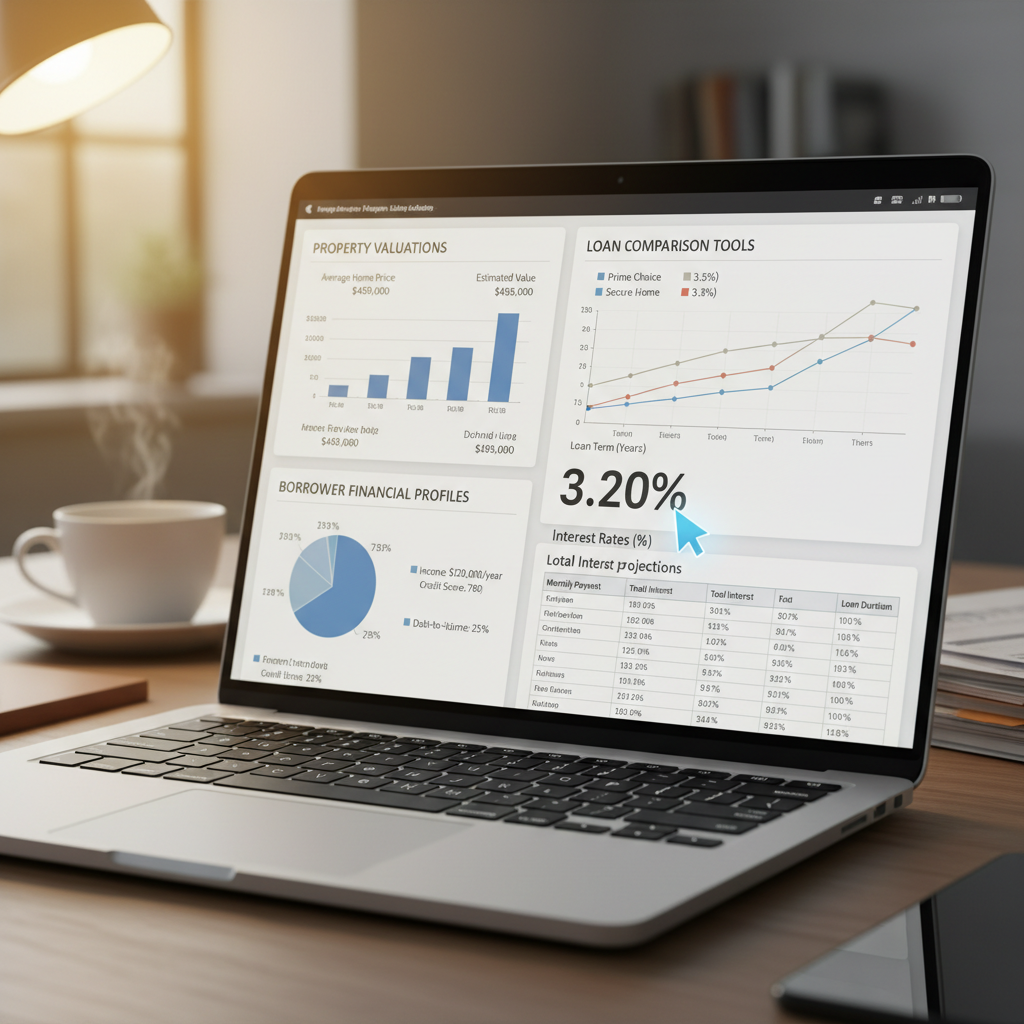
One of the most significant innovations in asset recovery is the adoption of artificial intelligence (AI) and machine learning. These technologies are being utilized to analyze market trends, assess the value of properties, and predict foreclosure risks. AI-driven platforms can process vast amounts of data quickly, providing insights that were previously unattainable.
Additionally, blockchain technology is gaining traction in the foreclosure industry. By offering a secure and transparent way to record transactions, blockchain ensures that all parties involved in a foreclosure process have access to accurate and immutable data. This enhances trust and reduces the potential for disputes.
Data-Driven Decision Making
Data analytics is playing a crucial role in transforming asset recovery. By leveraging big data, companies can make more informed decisions regarding property management and foreclosure processes. These insights help identify potential risks and opportunities, enabling firms to optimize their strategies.

Moreover, predictive analytics is being used to anticipate foreclosure trends. By analyzing historical data and market conditions, companies can forecast future developments, allowing them to stay ahead of the curve and make proactive decisions.
Enhanced Customer Engagement
In today's digital age, customer engagement strategies are evolving rapidly. Foreclosure firms are now utilizing digital platforms to communicate with clients more effectively. Through personalized messaging and targeted marketing campaigns, firms are improving customer satisfaction and retention.
Social media and online portals are also being used to provide clients with real-time updates and information. By keeping clients informed and engaged, companies can build stronger relationships and enhance their reputation in the market.

Regulatory Changes
Regulatory changes are shaping the landscape of asset recovery as well. New regulations are being introduced to protect homeowners and ensure fair practices within the industry. These changes are prompting companies to adopt more transparent and ethical approaches to foreclosure.
Compliance with these regulations is crucial, as failure to adhere can result in significant penalties. As a result, many firms are investing in compliance management systems to ensure they remain in line with industry standards.
Conclusion
The foreclosure industry is undergoing a period of rapid transformation, driven by technological advancements, data-driven strategies, and regulatory changes. By embracing these trends, firms can enhance their asset recovery processes, improve client relationships, and stay competitive in an ever-evolving market. As the industry continues to innovate, staying informed and adaptable will be key to success.